Travel Documents And During The Travel Tips
- Passport
- Visa Copy(If you have E-visa Or Papper Visa)
- Travel Insurance
- Travel Itinerary
- Hotel Vouchers
- Air Tickets
- Activities Vouhcers
Here are some tips to help you make the most of your self-drive Iceland adventure and ensure you have a smooth and memorable trip:
1. Driving in Iceland:
- Road Conditions: Iceland’s roads can be challenging, especially in winter. Make sure to check the road conditions and weather forecasts regularly on websites like road.is and vedur.is. The weather can change rapidly, and some rural roads may be impassable due to snow or ice.
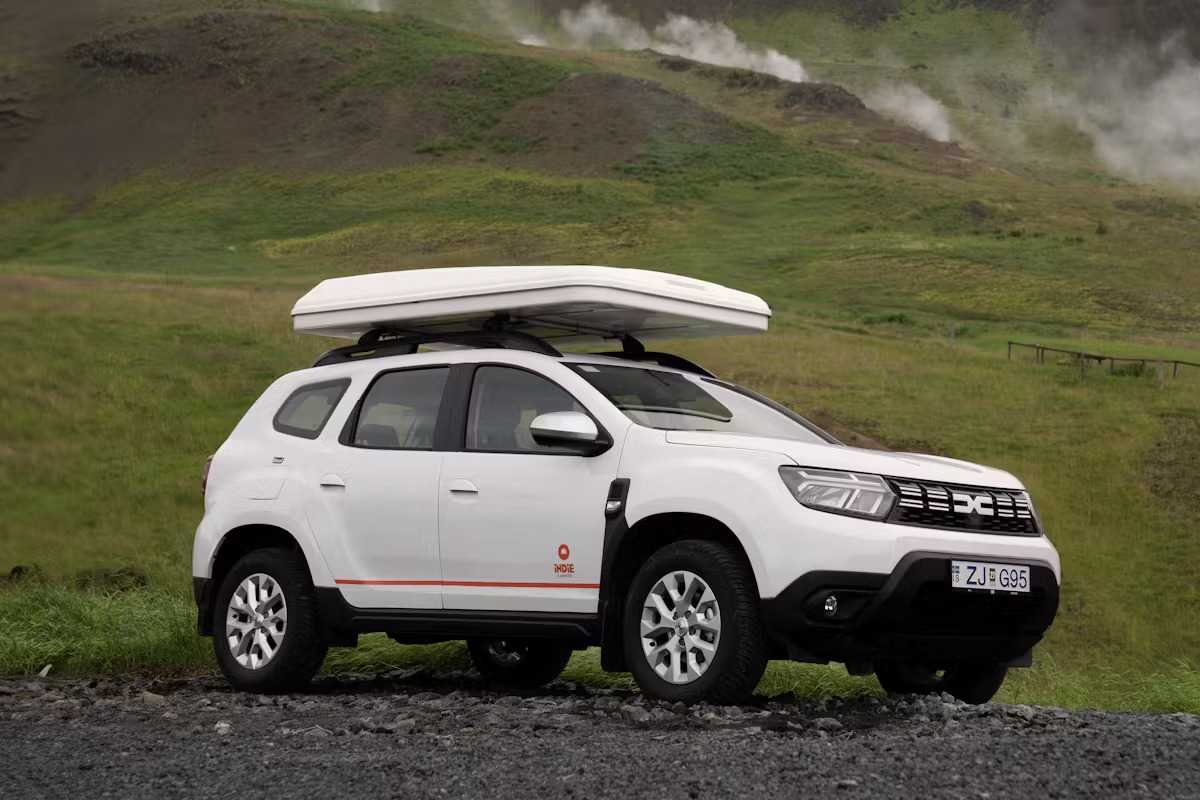
- 4WD Rental Car: Renting a 4x4 vehicle is highly recommended, especially if you are traveling in winter, as it gives you better traction on icy roads and gravel paths.
- Speed Limits and Rules: Speed limits in Iceland are typically 50 km/h in towns, 80 km/h on gravel roads, and 90 km/h on paved roads. Be sure to follow speed limits and road signs carefully to avoid fines. Additionally, off-road driving is illegal in Iceland, as it damages the fragile landscape.
- Filling up Gas: Gas stations in remote areas can be sparse, so always fill up whenever you can, especially before long drives into the countryside.
2. Northern Lights Viewing:
- Patience is Key: The Northern Lights are not guaranteed, and sightings depend on solar activity, weather conditions, and clear skies. Be patient and ready to stay out for a few hours in the cold, especially during the winter months.
- Stay Away from Light Pollution: To maximize your chances of seeing the aurora, drive away from city lights. Look for dark, open spaces in remote areas like Þingvellir National Park, Mývatn, Snæfellsnes, and the Golden Circle.
- Check Aurora Forecasts: Websites like auroraforecast.is and apps like My Aurora Forecast give predictions on aurora activity, so you can plan your nights accordingly.
3. Clothing and Gear:
- Layer Up: Weather in Iceland can be unpredictable, so always wear layers. Pack a waterproof jacket, thermal underlayers, gloves, hats, scarves, and sturdy waterproof shoes, especially if you’re visiting in the winter.
- Warm Accessories: For winter trips, thermal gloves and a warm hat are essential, as well as hand warmers for extra comfort during long nights waiting for the Northern Lights.
- Stay Dry: Waterproof clothing is a must, as you will likely encounter rain and snow throughout the trip, particularly near waterfalls and along coastal areas.
4. Food and Water:
- Stock Up on Snacks: Although there are plenty of restaurants and cafes along the main tourist routes, some areas are quite remote. It's wise to stock up on snacks and drinks during longer drives, especially in places like the East Fjords or the Westfjords.
- Tap Water: Iceland’s tap water is incredibly clean and pure, so there’s no need to buy bottled water. You can refill your water bottles throughout your journey.
5. Accommodations:
- Book in Advance: Although Iceland has a variety of accommodation options, during peak travel season or in remote areas, it’s highly recommended to book your accommodations ahead of time, especially in the winter months when availability is limited.
6. Safety Tips:
- Emergency Numbers: The emergency number in Iceland is 112. Keep this in mind in case of any incidents.
- Emergency Kit: Bring a small emergency kit with you, including a flashlight, extra blankets, and basic first-aid items, especially if you’re traveling in the winter months.
- Mobile Phone: Ensure you have a local SIM card or an international plan so you can stay in touch and use GPS if needed. Some remote areas may not have strong cell reception, but the main tourist routes are well-covered.
7. Photography Tips:
- Camera Gear: Iceland’s landscapes are breathtaking, so bring a good camera with you. If you’re aiming to photograph the Northern Lights, a tripod and a camera with manual settings are essential for long exposures.
- Wide-Angle Lens: A wide-angle lens is great for capturing vast landscapes, waterfalls, and the Northern Lights.
- Battery Life: Cold temperatures can drain camera batteries quickly, so bring spare batteries and keep them warm in your pocket until you need them.
8. Geothermal Pools and Hot Springs:
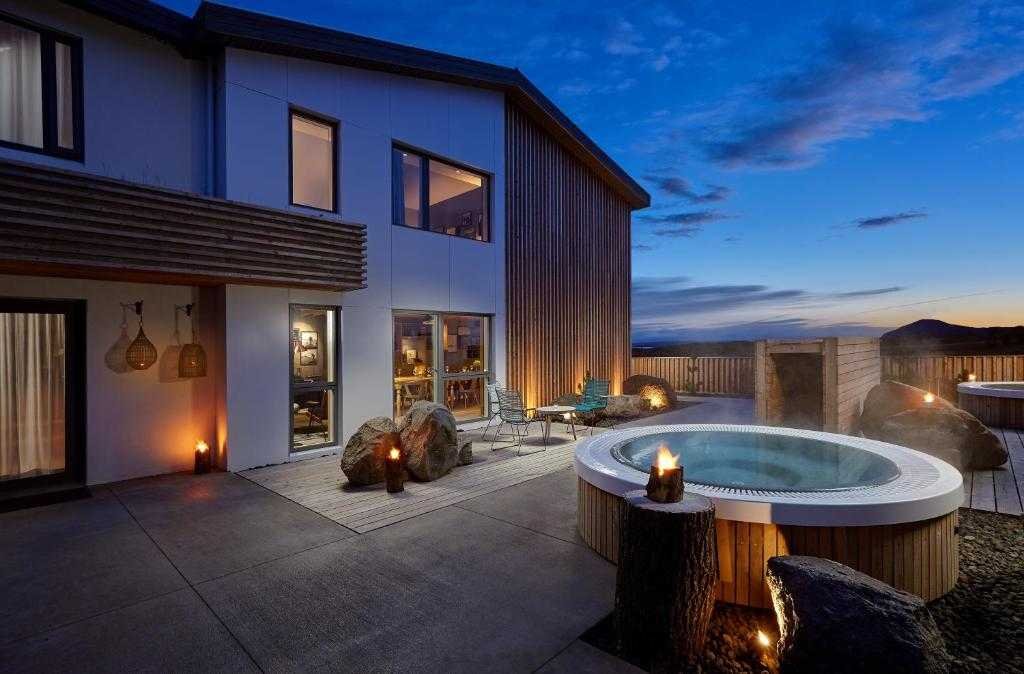
- Blue Lagoon: If you plan to visit the Blue Lagoon, it's best to book tickets in advance, especially during peak seasons.
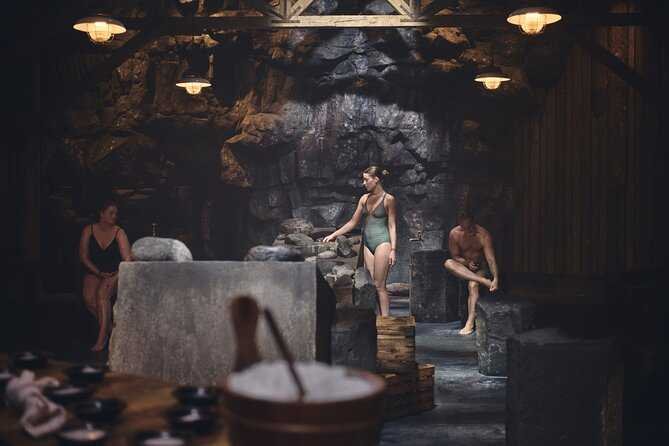
- Natural Hot Springs: Iceland is known for its natural hot springs. Many areas, like Mývatn Nature Baths or the Secret Lagoon, offer a more intimate experience compared to the Blue Lagoon. Be mindful of local etiquette and always shower before entering a geothermal pool.
9. Cultural Considerations:
- Respect Nature: Iceland’s environment is delicate. Stick to marked trails and avoid disturbing the flora and fauna, especially in remote or protected areas.
- Icelandic Language: While most Icelanders speak excellent English, learning a few basic Icelandic phrases can be a fun way to connect with locals.
10. Planning for the Unexpected:
- Flexible Itinerary: While the itinerary is designed to give you the best Iceland experience, it's important to remain flexible. Bad weather can alter road conditions or prevent access to certain sites. Always have backup plans for alternative routes or indoor activities.
- Weather Delays: Be prepared for possible delays, especially when driving in winter. Always check the weather forecast the day before each drive to make sure roads are passable.
By following these tips, you’ll be prepared for an unforgettable Icelandic adventure. Safe travels, and enjoy the stunning landscapes, geothermal wonders, and the magic of the Northern Lights!
|